6 May 2026 · Han Yebin
When a rejection mark is allowed to stay
A long wick is only a rejection if the next candle refuses to reclaim the midpoint. Otherwise it is a measurement.
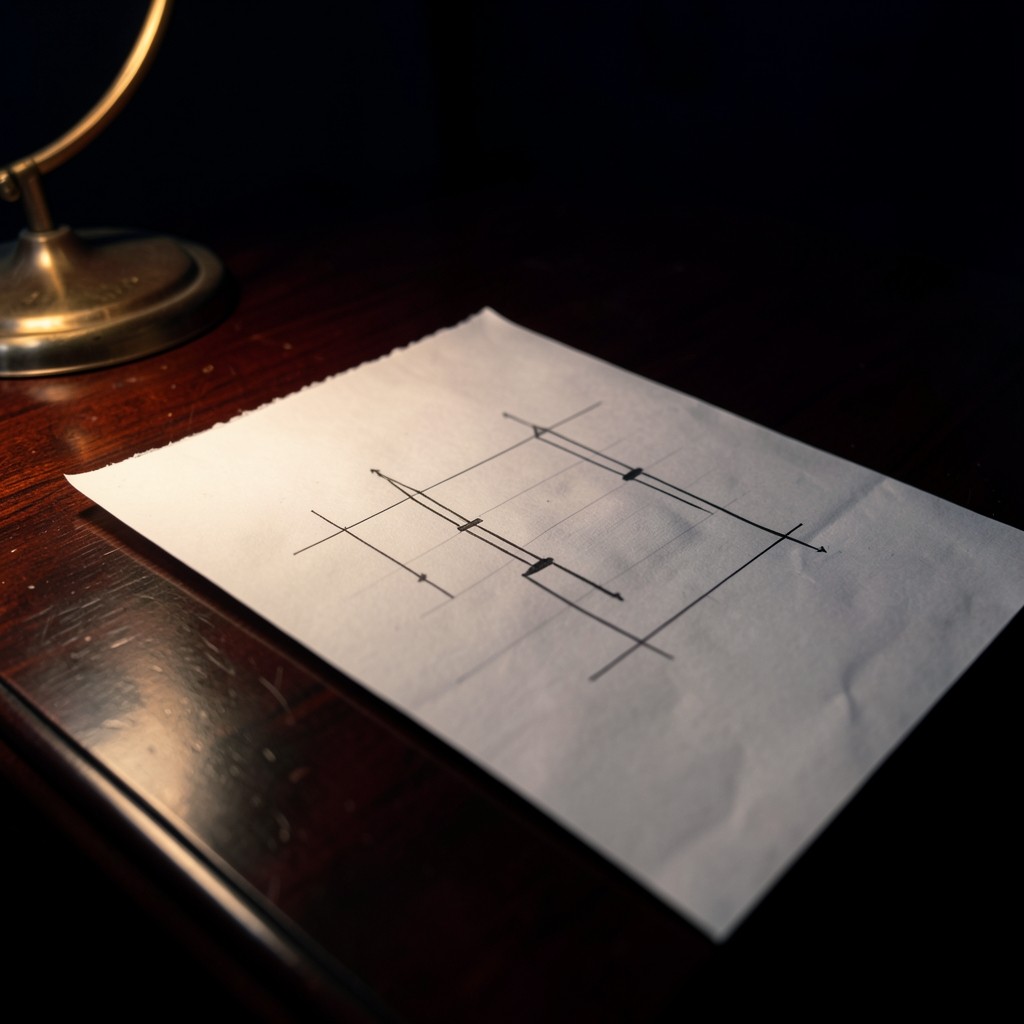
Rejection is a popular word in the room. It sounds finished. A long lower wick appears, someone whispers rejection, and the pencil wants to move on. I ask them to leave the wick as a measurement and wait for the next close. Rejection is a relationship between two candles, not a property of one dramatic shadow.
Our test is plain. Mark the midpoint of the wick. If the next candle closes back through that midpoint with conviction, the rejection claim is weak. If the next candle holds away from it, the claim earns a small note in the margin: “rejection held.” If the next candle is mixed, write “unresolved” and stop. Ambiguous paper is allowed. Invented clarity is not.
Acceptance is the twin mark
Acceptance is the quieter twin. Price presses into a level and the bodies begin to settle there rather than bounce away. Students under-mark acceptance because it lacks theatre. In the atelier we treat it with the same care: two closes that stay in the zone, then a note. Without that note, people rewrite history when a later wick looks more exciting.
Evening four of the atelier is reserved for these two marks and almost nothing else. Pattern names from earlier evenings stay on the page, but they do not overrule a failed rejection. A hammer can print and still fail the next-bar test. Both facts can sit on one sheet if you do not erase the first to protect the second.
Bring the awkward sheet to review
If you have a page where you wrote rejection and later wished you had waited, bring that version to a markup review. The erased lines tell us where you flinched. A fair copy tells us only what you wish you had seen.