11 July 2026 · Choi Sanho
An engulfing pair needs real coverage
Parallel drama is not enough. The second body has to cover the first, and the context bar has to earn the comparison.
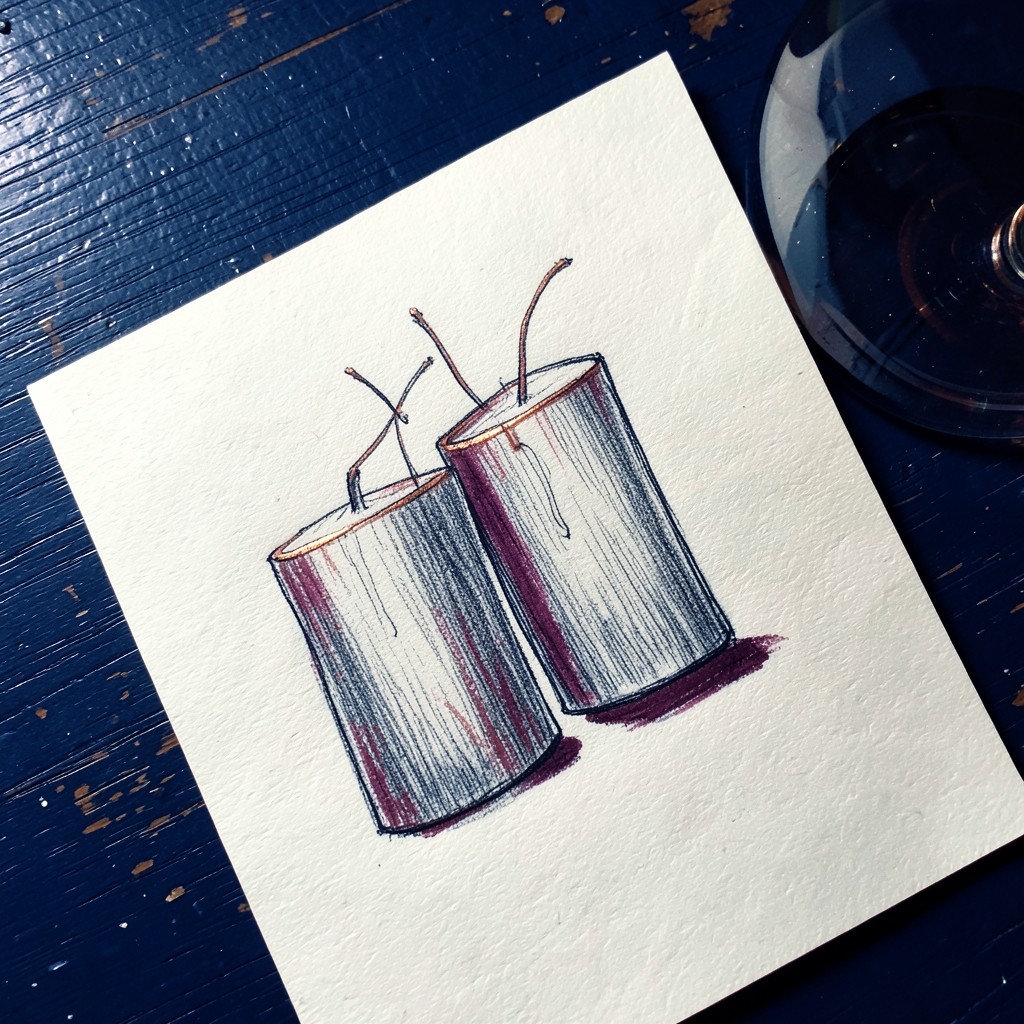
The first time students draw an engulfing pair, they often match the mood instead of the geometry. The second candle feels larger, so they call it engulfing. Feeling larger is not coverage. Coverage means the open-to-close range of the second body fully contains the open-to-close range of the first. Wicks can overhang. The bodies cannot cheat.
We use a scrap-paper test in the clinic. Cover the wicks with a strip. If the second body still contains the first, the pair survives. If the strip reveals that the second body only overlaps, retire the name. “Strong follow-through” is an honest phrase for that sheet. “Engulfing” is not.
Where the pair is allowed to sit
An engulfing pair after a quiet stretch is different from the same pair inside a noisy cluster of large bodies. In the noisy cluster almost every bar covers something. We ask students to mark the three bars before the candidate and say whether the pair is unusual in that neighbourhood. If it is not unusual, keep the measurements and skip the trophy label.
Colour on a screen can distract. On our printed packs the bodies are outlined, not filled with brand colours, so the eye stays on range. If you practise at home on a coloured screen, print one sheet without fills before you trust a label you made in a hurry.
What we refuse to draw next
After a valid engulfing pair we do not immediately invent a target. The next work is to watch whether price accepts the direction of the second body. That is later. Students who sketch a destination in the same minute as the label are usually copying a story heard elsewhere.