18 February 2026 · Choi Sanho
Read the body before you invent a story
A candle’s story starts with the open-to-close range. The wick is a note in the margin, not the headline.
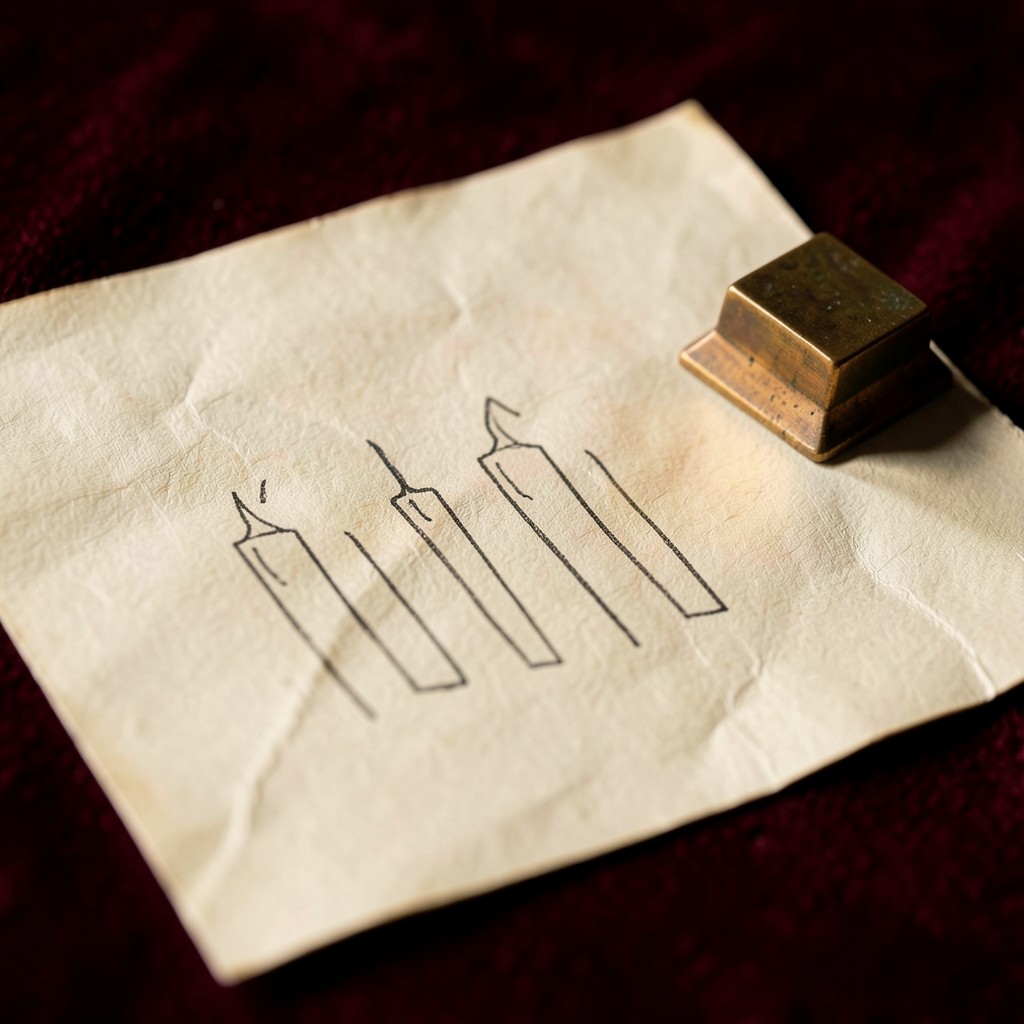
Students often name a candle from its wick because the wick is dramatic. A long lower shadow feels like a rescue. A long upper shadow feels like a failure. Both feelings arrive before anyone has measured the open-to-close range. In the atelier we reverse that order. The body is the claim. The wick is the evidence that either supports or limits the claim.
On paper we ask for two marks before any name is spoken. First, a light bracket from open to close. Second, ticks at the high and low. If the bracket is tiny and the lower tick is long, you may have a hammer candidate. If the bracket already covers most of the range, you have a different candle, even if a thin line sticks out of the bottom. The name follows the geometry, not the mood.
Why the prior bar matters
A body that looks decisive in isolation often looks ordinary beside the bar before it. An engulfing pair needs coverage of that prior body. A pin bar that forms after three already long-wicked candles is less news than the same pin after a quiet stretch. We write the prior bar’s body height in the margin so the comparison stays visible when the pencil wants to race ahead.
When the body and the prior bar disagree with the name you wanted, keep the measurements and retire the name. A sheet with honest brackets and no pattern label is still useful work. A sheet with a confident label that fails the coverage test is decoration.
A practical limit for one evening
On a single evening we stay with one timeframe. Mixing a daily body with a five-minute wick produces confident nonsense. If you study more than one timeframe at home, bring that habit into the room as a second sheet, not as extra marks on the first. The book can hold both. The same candle should not.